Does Your Dog Love You? Probably More Than You Think
Author:sana
Released:March 31, 2026
You've probably asked yourself this late at night. Maybe your dog is sprawled on the cold floor instead of curling up next to you. Maybe you reached out for a gentle pet, and they just… walked away. Right past your hand, like you were a piece of furniture.
It stings. And the first thought is: "They don't actually love me. They just love that I open the cans."
Here's the real answer. Your dog loves you. But they're not speaking your language. And you've been waiting for them to say "I love you" in a way they were never built to say.
The Love Signals You Keep Walking Right Past
We expect dog love to look human. Hugs. Long soulful stares. Constant enthusiasm. Dogs don't do any of that naturally. In fact, some things we call "proof of love" are stressful for them, while their biggest love signals fly completely over our heads.
The belly that's not an invitation. Your dog rolls over, pink belly up. You think: "Great, belly rub time!" Then they tense up or move away. That's not rejection.
The belly itself is the message. For dogs, exposing their stomach is a vulnerable position. Most only do it around people they feel safe with. Touching it is optional. Just seeing that belly is the compliment.
The bathroom guard. You're sitting on the toilet. Your dog is lying on the bathmat, staring at the door. This isn't weird possessiveness. Wild dogs eat, sleep, and yes, relieve themselves together because vulnerable moments need backup. Your dog isn't being creepy. They're literally guarding you. That's love.
The random gift. A slobbery tennis ball. One chew toy. Half a dead leaf. Your shoe. Dogs bring prized possessions to pack members they like. They shared their thing with you. The fact that you don't want a wet ball dropped on your laptop during a Zoom call? Irrelevant. They gave you something valuable. That's huge.
The check-in from across the room. Your dog is sleeping in the corner. Then they lift their head, look at you for two seconds, and go back to sleep. That's not anxiety. That's verification. "You're still there. Good. World makes sense." They do this every fifteen minutes. That's love.
The full body lean, not the nudge. Not the "I want treats" shove. The real lean. When your dog backs up against your legs and melts into you like their bones disappeared. That's proximity seeking. You're their safe spot. They're not manipulating you. They're telling you that gravity works better when you're underneath them.
The Moments That Fool You Into Thinking "They Don't Love Me"
Some dog behaviors look like coldness, but they're actually the opposite.
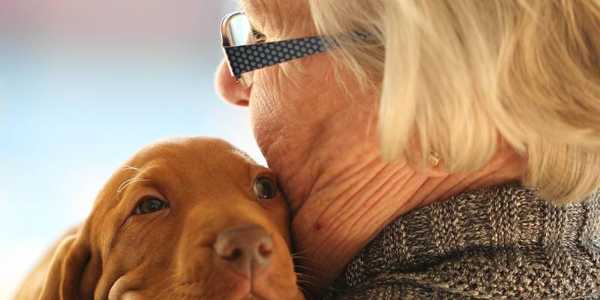
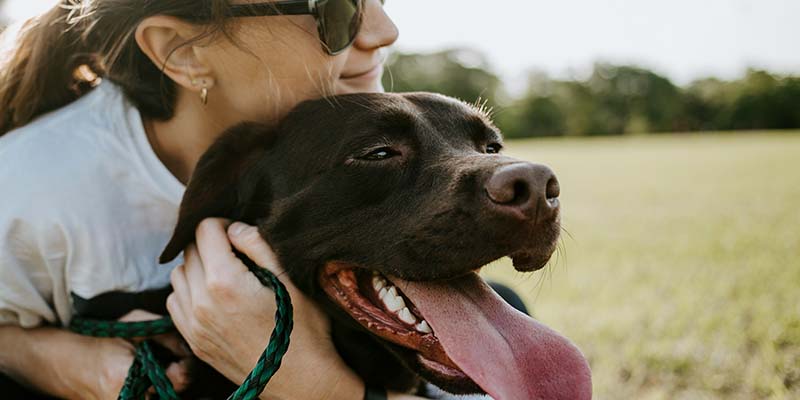
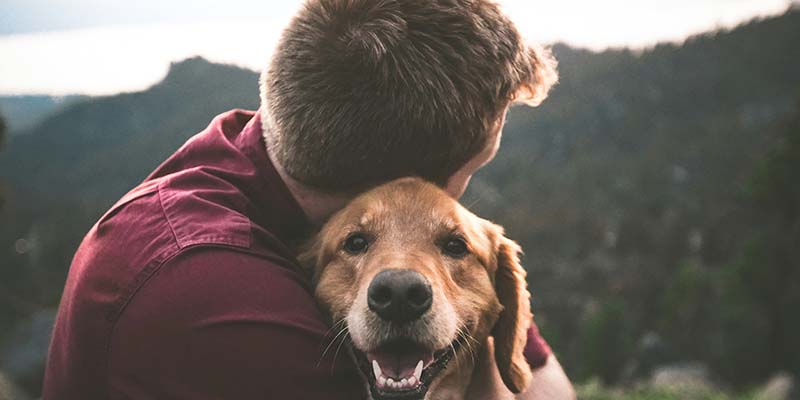
They won't let you hug them. I know. It hurts. But most dogs don't like hugs. A hug is restraint. In dog language, restraint is a threat. When your dog tolerates your hug for three seconds before wiggling away – that wasn't rejection. That was your dog enduring something uncomfortable for three full seconds because it's you. That's compromise. That's love with boundaries.
They turn their back to you. Humans think this is rude. Dogs think: "My back is where I'm most vulnerable. I'm showing it to you because I know you won't attack me from behind." It's not ignoring you. It's a trust fall.
They yawn when you yawn. Not because they're tired. Yawning is contagious in social species. If your dog mirrors your yawn, they're connected to you. They're in your rhythm. That's emotional synchronization. Science calls it empathy. I call it a quiet little miracle.
They don't come when you call. Look, you call their name forty times a day. "Come. Sit. No. Leave it. Come. Come. COME." After a while, your voice becomes background noise. When they ignore you, it's not a lack of love. It's a lack of motivation. Or they're just tired of being told what to do. You've felt that way too. It doesn't mean you don't love your people.
I knew a woman with a eight-year-old mutt named Gus. Gus never licked her face. Never jumped when she came home. Barely looked at her. She once told me, "I think I'm just the food person."
Then she broke her ankle. Bad fall. Stuck on the couch for two months.
Every morning at exactly 7 AM, Gus jumped up, placed his head on her cast, and stayed there. Thirty minutes. No licking. No staring. Just his skull resting on her foot. Then he'd get down and lie next to her crutches.
After she healed, Gus went back to ignoring her. No head on the lap. No morning visits. Barely a tail wag.
She doesn't ask anymore whether he loves her. She knows.
Some love only shows up when you stop demanding proof.
Small Things That Actually Help You Bond
You don't need expensive gadgets. But a few simple things can open the door when your dog feels a little distant – or when you just want to speak their language better.
Here's what's worth trying.
1. A simple licky mat
Silicone mat with little grooves and bumps. Smear plain yogurt, wet food, or peanut butter (xylitol-free!) onto it. Your dog has to lick and lick to get every bit. Licking releases calming hormones. Ten minutes on a licky mat after you come home tells your dog: "You don't have to perform joy. Just relax next to me."
Try: LickiMat or any brand with deep pockets. Under $15.
2. The "snuffle mat"
Fleece strips tied to a rubber base. You hide kibble in the strips. Your dog snuffles around to find each piece. This scratches the deep evolutionary itch to forage. A dog who uses a snuffle mat for five minutes will often curl up and nap right after – and they'll look at you differently. You gave them a job. That's bonding.
Try: Any snuffle mat on Amazon or make your own with a rubber sink mat and fleece scraps.
3. A flirt pole
Think fishing rod for dogs. Long pole with a rope and a squeaky toy at the end. You drag it around, they chase. The magic is that you control the movement. It turns you into the most interesting thing in the room.
Great for dogs who don't care about fetch. Five minutes of flirt pole, then let them "catch" the toy and end the game. That hunting sequence – stalk, chase, catch, done – is deeply satisfying for them.
Try: Outward Hound Tail Teaser or a homemade version with PVC pipe and paracord.
4. Treat-dispensing puzzle toys
Not the impossible ones that make your dog frustrated. Start simple. A rolling ball that drops one kibble at a time. A puzzle where they slide little doors. Your dog learns: "This thing gives me food when I figure it out."
You can sit nearby and say nothing. Just exist while they problem-solve. That quiet shared focus builds more connection than thirty minutes of forced petting.
Try: Kong Wobbler, West Paw Toppl, or Nina Ottosson beginner puzzles.
5. A plain cardboard box
Free. This one isn't a product. Cut a few holes in a box, toss some crumpled paper inside, hide a few treats. Let your dog shred it. Some of the most affectionate moments I've seen happen when a dog destroys a box, looks up with a piece of cardboard hanging out of their mouth, and wags slowly. You gave them permission to make a mess. That's trust.
6. A heated or cooling pad (seasonal)
Some dogs don't cuddle because they're too hot or too cold. A simple self-warming pad (reflects their own body heat) on the floor next to your chair can magically turn "ignoring you from across the room" into "sleeping six inches from your feet." Same room. Same smell. Less temperature discomfort.
Try: K&H Pet Products self-warming pad or a gel cooling mat for summer.
7. A hands-free leash that wraps around your waist
Walking is already bonding time. But when you use a waist leash, both your hands are free. You stop jerking the leash. You stop over-correcting. You just… walk together, your dog slightly ahead or beside you, no tension.
After a few weeks, your dog will look back at you on walks differently. Not for treats. Just to check. "We're moving together. That feels good."
Try: Ruffwear Roamer or any bungee waist leash.
8. The most underrated product: a written log
Not for your dog. For you. For one week, write down: three times your dog chose to be near you without being asked. That's it. Not the big moments. The small ones. Sat on your foot while you made coffee. Followed you to the bathroom. Brought you a sock. You'll realize by day four that you've been surrounded by love this whole time. You just weren't counting.
So, Does Your Dog Actually Love You?
Yes.
They love you when they pick the spot on the floor closest to your chair instead of the fluffy bed across the room.
They love you when they sigh – that deep, whole-body sigh – because now that you're home, they can finally relax.
They love you when they look at you after something scary happens (a loud noise, a stranger, a fall) and you can see them ask: "Are we okay? Are you handling this?" And when you say, with your calm voice and steady hands, "Yeah, we're okay," they believe you. Completely.
That's love. It just doesn't come with subtitles.
Stop waiting for a hug. Start watching for the belly. The yawn. The bathroom guard duty. The destroyed box with a wagging tail behind it.
Your dog has been telling you all along. You just needed a better translation.
Related Posts
Can Dogs Eat Eggs or Not? The Truth Most Owners Don’t Know
Cat Staring At You? Here’s What It Might Be Trying To Say
Homemade Cat Wand Toy Ideas That Keep Cats Engaged
The Best Ways to Introduce a New Litter Box to Your Cat

Smart Flea Prevention Strategies for Year-Round Protection